
 Send Email
 Send Inquiry
Anti-bacterial Agents
Anti-bacterial Agents Specification
- Alkali Resistance
- Good
- Ph Level
- 7 (Neutral)
- Other Names
- 3-(3,4-dichlorophenyl)-1,1-dimethylurea
- Density
- 1.48 Gram per cubic centimeter(g/cm3)
- Coverage Area
- Broad
- Shelf Life
- 2 Years
- Drying Time
- Fast
- Acid Resistance
- Good
- Surface Finish
- Smooth
- EINECS No
- 200-539-6
- Moisture (%)
- 0.5%
- Oil Absorption
- 30-35 g/100g
- Particle Size
- Microfine
- Molecular Formula
- C9H10Cl2N2O
- Gloss
- Matte
- Strength
- High
- Storage
- Cool, dry place
- Size
- Customizable
- Molecular Weight
- 233.1 g/mol
- Application Method
- Mixing or Spraying
- Weather Resistance
- Yes
- Texture
- Fine Powder
- CAS No
- 266-10-4
- Chemical Name
- Diuron
- Usage
- Anti-bacterial Agent
- Physical Form
- Powder
- Raw Material
- Organic Compounds
- Application
- Paints, Coatings, Plastics, Textiles
- Color
- White
- Purity(%)
- 99%
- Type
- Anti-bacterial Agent
- Grade
- Technical Grade
- Packaging Type
- HDPE Bags
- Regulatory Compliance
- Meets international standards
- Storage Temperature
- Below 30C
- Flammability
- Non-flammable
- Biodegradability
- Partially biodegradable
- Compatibility
- Compatible with most resins and polymers
- Toxicity
- Low (when used as recommended)
- Solubility in Water
- Low
- Odor
- Odorless
- Export Markets
- Global
About Anti-bacterial Agents
In water based systems, especially plastic emulsion paints, Anti-bacterial Agents are used so as to prevent the growth of fungi, mould and bacteria in the paint. This microbial growth can otherwise result in bad odour and staining of paint. Anti-bacterial Agents are infused in paints and coatings. The final finish of such paint will be flawless without staining or discolouration. The pain manufacturers can get in touch with us to get their hands on affordable agents that can prevent the bacterial growth.
Versatile Antibacterial for Multiple Industries
Diuron stands out as a reliable anti-bacterial agent for a variety of industries, including paints, coatings, plastics, and textiles. Its high compatibility with most resins and polymers, along with excellent acid and alkali resistance, ensures seamless integration into numerous manufacturing processes. Manufactured in India and exported worldwide, it meets stringent international compliance standards.
Safe and Efficient Usage
Designed for convenience, Diuron is a microfine powder that can be applied through mixing or spraying. It is odorless, non-flammable, and exhibits low toxicity when used as recommended, providing a safe choice while maintaining a neutral pH. Proper storage in a cool, dry place below 30C will maximize shelf life and chemical stability.
FAQs of Anti-bacterial Agents:
Q: How should Diuron be applied as an anti-bacterial agent?
A: Diuron can be applied by either mixing it directly into the target material or by spraying the powder onto surfaces. Its fine, microfine texture allows for even dispersion, making it suitable for applications in paints, coatings, plastics, and textiles.Q: What are the main benefits of using Diuron in manufacturing processes?
A: Diuron provides high antibacterial effectiveness, excellent compatibility with a wide range of resins and polymers, and superior weather, acid, and alkali resistance. It also offers a smooth, matte finish without imparting any odor and is partially biodegradable for environmental consideration.Q: When is the best time to add Diuron during the production process?
A: For optimal results, Diuron should be added during the mixing stage of your manufacturing process, ensuring it is evenly distributed. If using as a surface treatment, spraying should be conducted on clean, dry surfaces before further processing or packaging.Q: Where should Diuron be stored to maintain its quality?
A: Diuron should be stored in tightly sealed HDPE bags in a cool, dry place, away from direct sunlight, and at temperatures below 30C. Proper storage ensures the product remains stable for up to two years.Q: What applications is Diuron most suitable for?
A: Diuron is ideal for use in paints, coatings, plastics, and textiles where antibacterial properties, chemical stability, and broad coverage are essential. Its customizable particle size and compatibility make it versatile across different formulations.Q: What is the process for ensuring maximum antibacterial performance with Diuron?
A: To achieve the best results, accurately measure the required amount based on your formulation, ensure even mixing or spraying, and allow sufficient drying time. Follow recommended usage guidelines to maintain low toxicity and superior antibacterial action.Q: Is Diuron compliant with international safety and quality regulations?
A: Yes, Diuron meets international regulatory standards, ensuring safe global use as an anti-bacterial agent in industrial and manufacturing applications.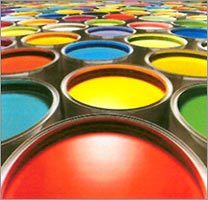
Tell us about your requirement

Price:
Quantity
Select Unit
- 50
- 100
- 200
- 250
- 500
- 1000+
Additional detail
Mobile number
Email

More Products in Water Based Systems (Plastic Emulsion Paints) Category
Associative Thickeners
Type : Other , Rheology Modifier
Packaging Type : HDPE Drum
Chemical Name : Other, Associative Thickener
Ph Level : 78
Alkali Resistance : Good
Raw Material : Other, Polyurethane Polymer
Adhesion Promoters
Type : Other , Silane Based
Packaging Type : HDPE and Glass Bottles
Chemical Name : Other, Adhesion Promoter
Ph Level : Neutral (6.57.5)
Alkali Resistance : Good
Raw Material : Other, Silane coupling agents
Industrial Rub Resistance
Type : Other , Rub Resistance Agent
Packaging Type : HDPE Bags / Drums
Chemical Name : Other, Industrial Rub Resistance Compound
Ph Level : 78
Alkali Resistance : Moderate to good
Raw Material : Other, Specialty organic and inorganic materials
Base Tinter Compatibiliser
Type : Other , Compatibiliser
Packaging Type : HDPE Drum, Carboy
Chemical Name : Other, Base Tinter Compatibiliser
Ph Level : 78 (Neutral)
Alkali Resistance : Good
Raw Material : Other, Proprietary chemical blend


|


Our Products
- Speciality Additives
- Speciality Chemicals
- Industrial Enzymes
- Water Based Systems (Plastic Emulsion Paints)
- Alkyd Systems (Enamels, Air Dry Paints)
- Alkyd-MF/Alkyd-Amino Systems (Stoving Paints)
- Acid Curing Systems (Wood Coatings)
- Acrylic-PU (2K)/Acrylic-MF Coating Systems
- Coil Coating Systems (Polyester-HMMM/MF)
- Powder Coating Systems
- Epoxy-Polyamide (2K), Epoxy-MF Systems
- PVC, Vinyl-copolymer Systems (Orgonosols)
- UV / EB Curing Systems (Acrylic Based)
- NC/Chlorinated Rubber Systems
- Unsaturated Polyester systems (FRP, UPR)
- Dispersing Agents
- Speciality Additives for Solvent
- Speciality Additives For Offset Printing Inks
- Water Based Flexo Printing
- Speciality Additives For Metal
- Speciality Additives For UV Printing Inks
- Speciality Additives For Solvent Based Non Impact
- Paints Additive
- Ink Additive
K-TECH (INDIA) LIMITED
GST : 27AABCK6341G1ZN

- 7B, Bata Compound, Khopat, Eastern Express Highway, Thane (West),Thane - 400601, Maharashtra, India
- Phone :08045478333

- Mr Shobhit Srivastava (Director)
- Mobile :08045478333
- Send Inquiry
 Send Inquiry
 Send Inquiry
 Send SMS
Developed and Managed by Infocom Network Private Limited.


 English
 Spanish
 French
 German
 Italian
 Chinese (Simplified)
 Japanese
 Korean
 Arabic
 Portuguese
